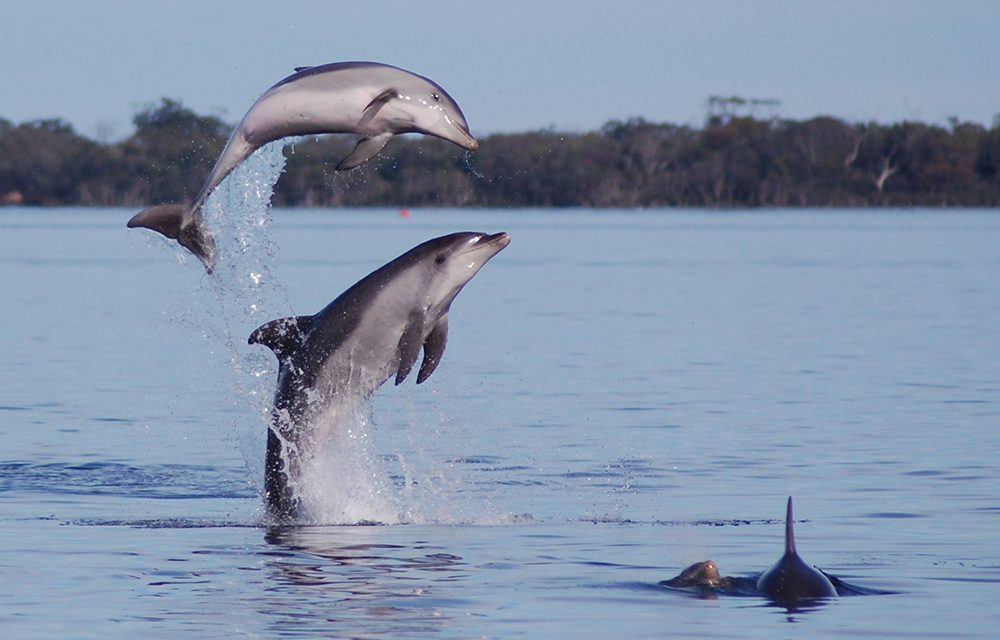
Burrunan Dolphins of Gippsland Lakes, Australia
Australia is home to a variety of incredible marine wildlife, but few species capture the imagination quite like the Burrunan dolphin. Unique to the waters of southern Australia, this rare dolphin species is known to inhabit the picturesque Gippsland Lakes in Victoria. As one of only three identified dolphin species in Australian waters, the Burrunan dolphin holds special significance for researchers and conservationists alike.
What are Burrunan Dolphins?
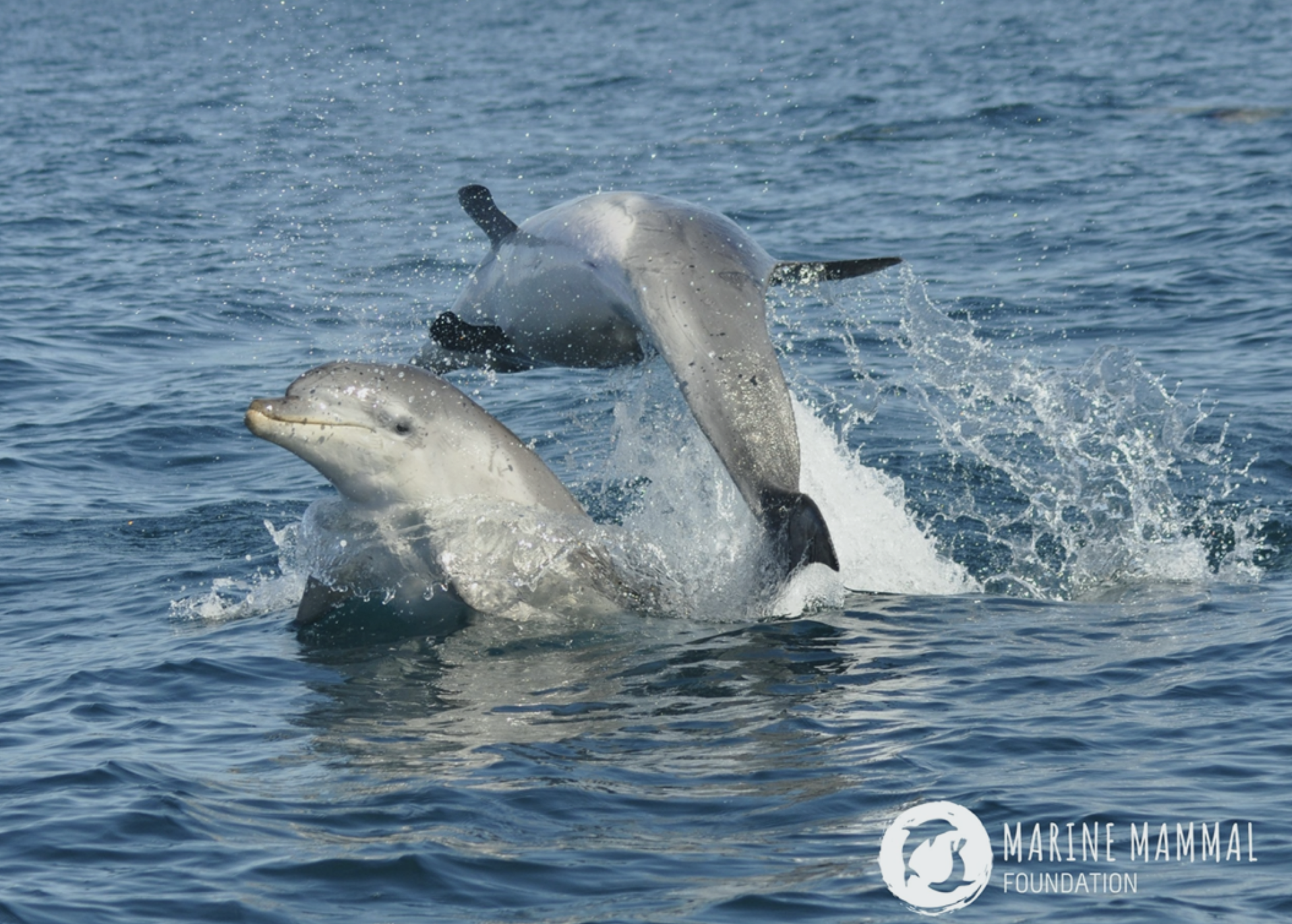
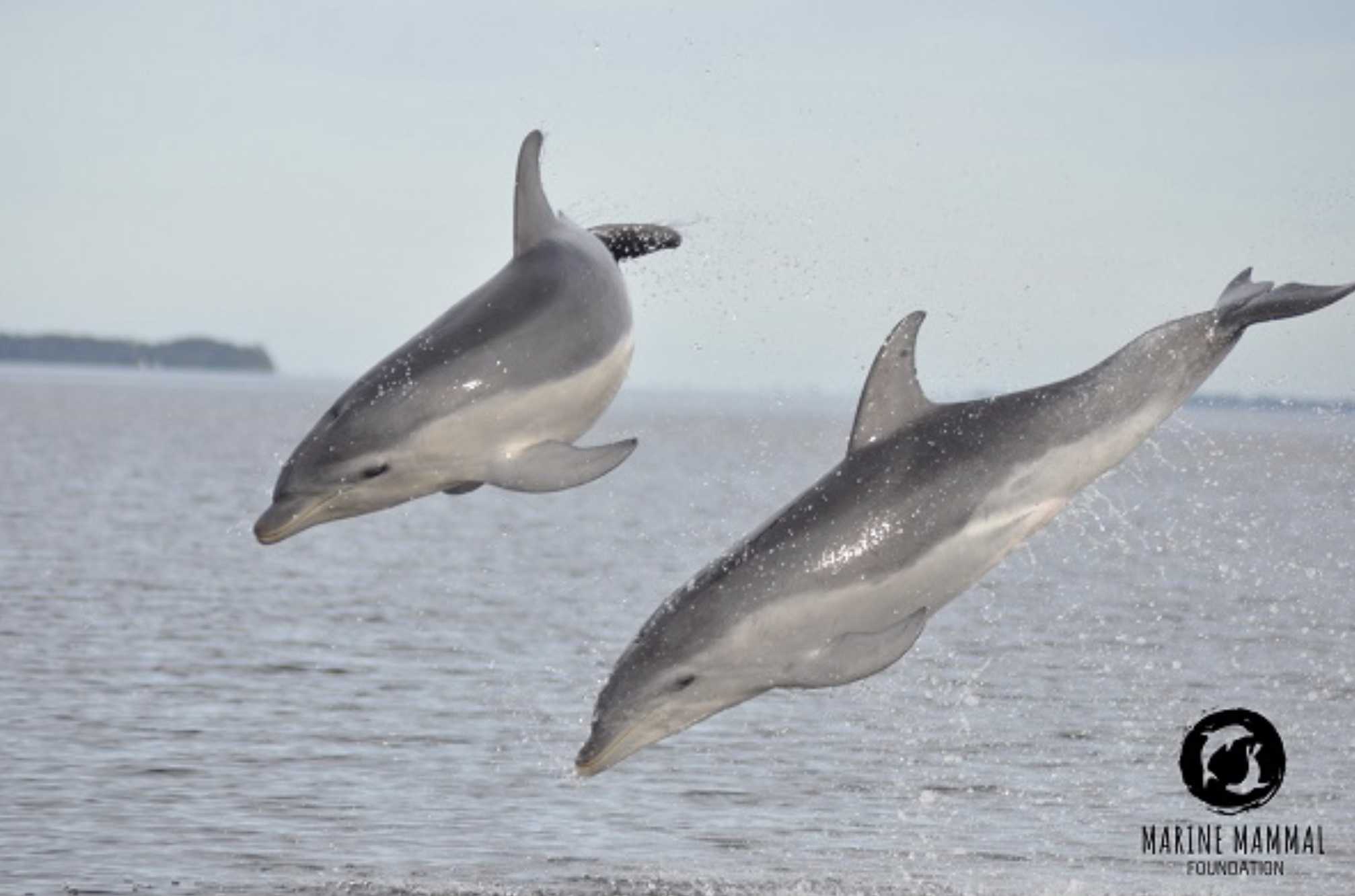
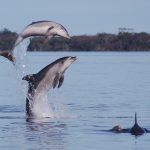
The Burrunan dolphin (Tursiops australis) was only classified as a distinct species in 2011 by Australian marine biologist Dr. Kate Charlton-Robb. While many people may be familiar with the common bottlenose dolphin, the Burrunan is smaller, with more distinct facial features, such as a short beak and rounded head. They also have a unique color pattern: dark grey on the back, lighter grey on the sides, and a pale belly.
The Burrunan dolphin is named from the Aboriginal Boonwurrung and Taungurung languages, where “burrunan” means “large sea fish of the porpoise kind.” There are only two known populations: one inhabiting Port Phillip Bay near Melbourne, and the other living in the Gippsland Lakes, one of Victoria’s most beautiful and biodiverse coastal regions.
The Burrunan Dolphins in Gippsland Lakes
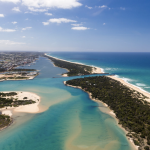
The Gippsland Lakes is an expansive network of lakes, lagoons, and marshlands that stretches over 600 square kilometers, making it one of Australia’s largest inland water systems. This region, located about 300 kilometers east of Melbourne, is where a small population of Burrunan dolphins can be found year-round.
It is estimated that around 50-100 Burrunan dolphins reside in the Gippsland Lakes, forming an isolated population. This makes the region one of the best places in the world to see these rare creatures. Visitors can often spot the dolphins playing, socializing, or feeding, particularly in the central parts of the lake system.
Threats to Burrunan Dolphins
Despite their unique appeal, Burrunan dolphins face numerous threats, particularly within the Gippsland Lakes. One of the most significant issues is habitat degradation due to agricultural runoff and urban development, leading to poor water quality. Increased tourism and boat traffic in the lakes also pose risks to the dolphins through potential collisions and noise pollution, which disrupt their communication and hunting activities.
Climate change is another factor that could affect the species’ long-term survival, as rising sea levels and changing weather patterns may alter the salinity and biodiversity of the Gippsland Lakes, impacting the dolphins’ food sources.
Conservation Efforts
The Burrunan dolphins in the Gippsland Lakes are considered vulnerable, with only two known populations in the wild. As a result, efforts are underway to protect and conserve their habitat. Marine scientists, government agencies, and environmental groups are working together to better understand the species’ needs and threats.
One of the critical research initiatives is the establishment of the Dolphin Research Institute, which monitors the populations in Gippsland Lakes and Port Phillip Bay. Researchers track dolphin movements, behavior, and health to gather valuable information that could help inform conservation strategies.
In 2022, there was also a push to create more stringent regulations on tourism activities within the lakes to ensure the Burrunan dolphin population remains undisturbed. This includes recommendations for reducing boat speeds in key dolphin areas and limiting direct human interaction with the dolphins.
How to See Burrunan Dolphins in Gippsland Lakes
For those eager to catch a glimpse of these rare dolphins, Gippsland Lakes offers some great opportunities for dolphin watching. Several local boat tours operate within the lakes, providing safe and eco-friendly ways to observe the dolphins. Responsible tourism is crucial, so it’s essential to choose tour operators that prioritize the well-being of the animals and their environment.
In addition to boat tours, keen wildlife enthusiasts can sometimes spot the dolphins from the shores of the lakes, particularly around Lakes Entrance, Paynesville, and Metung. Dawn and dusk are often the best times to observe the dolphins when they’re most active.
Water Safety Guidelines Around Burrunan Dolphins in Gippsland Lakes
- Boats: Stay at least 100 meters away from dolphins.
- Jet skis: Keep a minimum distance of 300 meters.
- Swimmers: Avoid approaching dolphins within 30 meters.
- Prohibited: Do not touch or feed marine mammals.
- Licensed operators: Can bring visitors closer under specific guidelines.
- Purpose: These regulations help protect both the animals and humans, preserving natural behaviors.
For more details, visit Marine Mammal Safety Guidelines.
Conclusion
The Burrunan dolphins of Gippsland Lakes represent a rare and beautiful part of Australia’s natural heritage. With their small, isolated populations, these dolphins need ongoing protection to ensure they thrive in their unique habitat. Whether you’re a nature lover, a marine enthusiast, or simply someone seeking a tranquil experience in Gippsland Lakes, witnessing the Burrunan dolphins in their natural environment is an unforgettable experience that highlights the importance of preserving Australia’s unique wildlife.