The Dynamic History of the Gippsland Lakes: Exploring a Unique Ecosystem
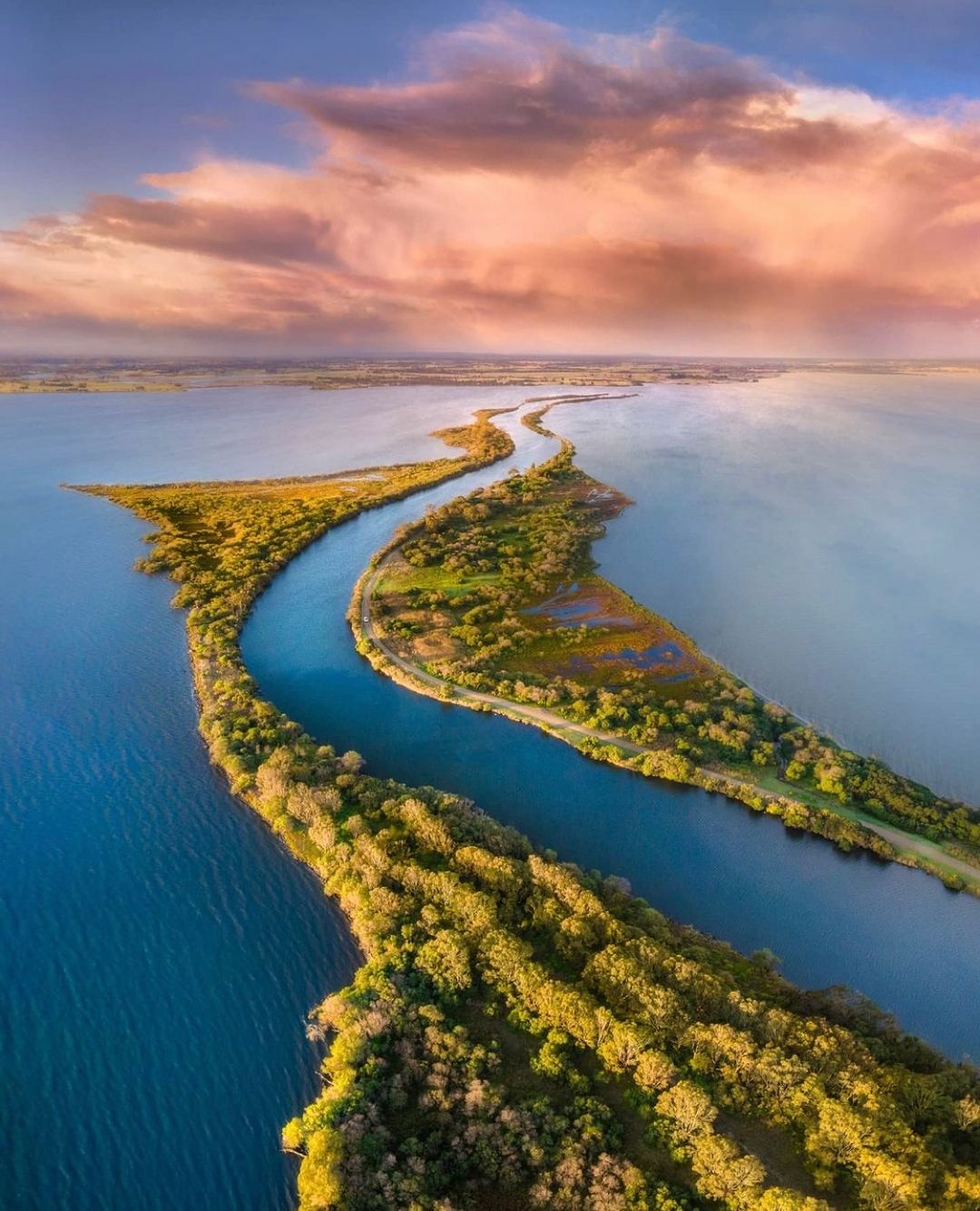
Today, we’re going to explore the Gippsland Lakes history. This unique ecosystem has a fascinating past that stretches back millions of years. Over time, the lakes have been shaped by natural forces, creating the stunning landscape we see today.
The Story Begins: 500 Million Years Ago
The history of the Gippsland Lakes begins about 500 million years ago. Back then, most of Victoria was under a deep sea. During this time, plants were just starting to grow on land. However, Gippsland remained beneath the ocean.
Between 440 and 420 million years ago, a major event occurred. The earth’s crust shifted, causing mountains to rise. This geological event pushed much of Gippsland above sea level, forming dry land.
The Coastline Takes Shape
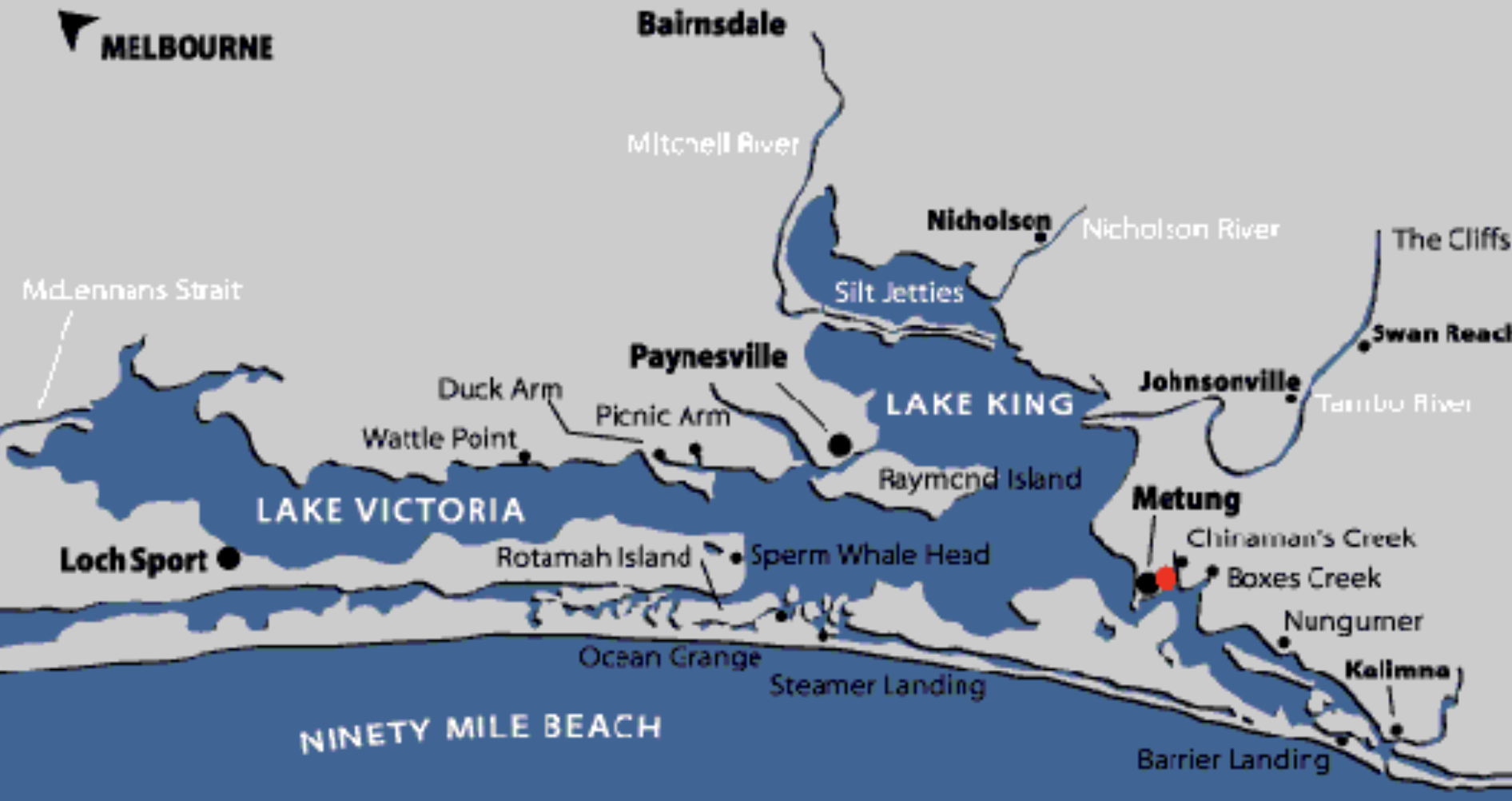
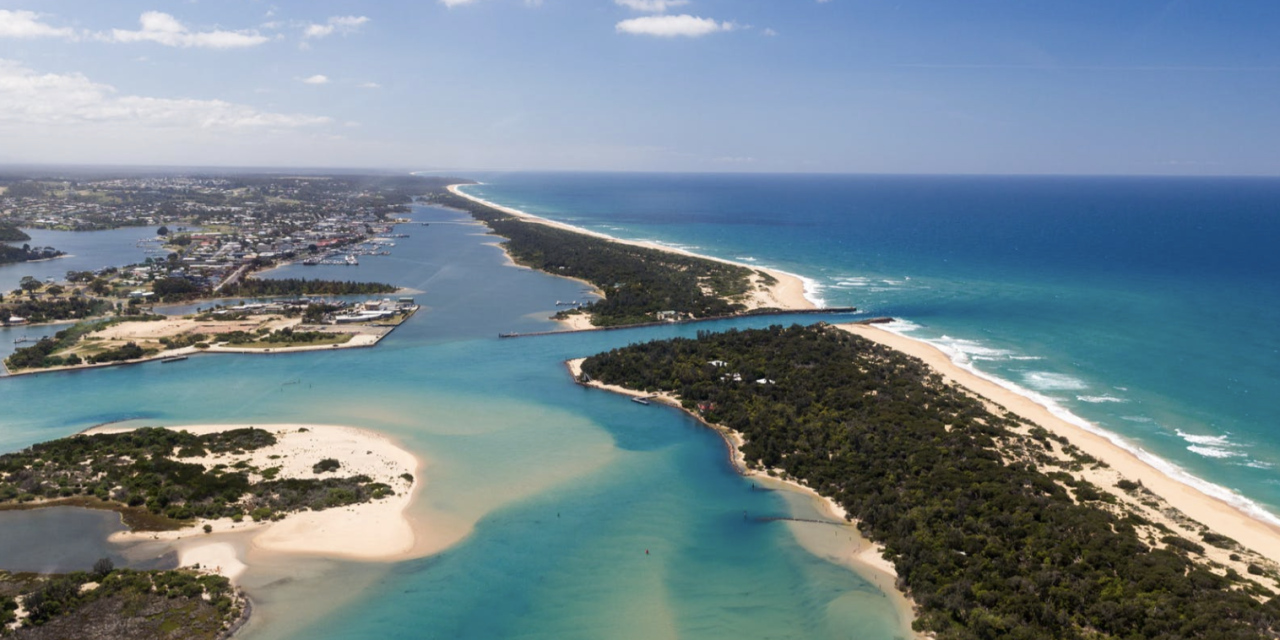
The coastline that surrounds the Gippsland Lakes began to take shape around a million years ago. As the sea retreated, it left behind sandy barriers. These barriers separated the lakes from the ocean.
Today, there are three main barriers:
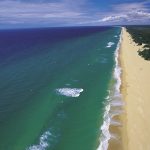
- The outer barrier, which forms the famous Ninety Mile Beach. This beach stretches along the southern side of the lakes.
- The inner barrier, located north of Lake Reeve.
- The northern barrier, which borders the northern edge of the lakes.
These barriers are held together by scrub, woodland, and heath vegetation. The vegetation helps to prevent erosion and maintain the natural balance of the land.
A Changing Landscape
Before the artificial entrance was created in the 19th century, the Gippsland Lakes followed a natural cycle. During periods of heavy rain, rivers would flood and raise the lake levels. Water would then overflow the outer barrier, flowing into the sea.
In contrast, during dry seasons, river flows would decrease, and the lakes would evaporate. This would lead to sand building up, blocking the outlet to the ocean. This cycle kept the lakes in a constant state of change.
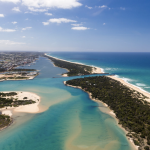
In 1889, humans created an artificial entrance to control the water levels. Despite this change, the lakes continue to evolve naturally, shaped by the tides and weather.
The Importance of the Gippsland Lakes Ecosystem
The Gippsland Lakes are home to a wide range of plant and animal life. Many of these species, including the Burrunan dolphin and the growling grass frog, are threatened or endangered. The area has also been recognized as a Ramsar site, highlighting its importance for conservation.
The wetlands surrounding the lakes support hundreds of species of plants and animals. These include migratory birds, fish, and other wildlife. The Gippsland Lakes history is not just a geological story—it’s a story of biodiversity and natural beauty.
How to Explore the Gippsland Lakes Responsibly
When visiting the Gippsland Lakes, it’s essential to explore responsibly. Follow these tips to protect the environment:
- Take a scenic drive along Ninety Mile Beach. Admire the view, but stay on marked trails to avoid damaging the vegetation.
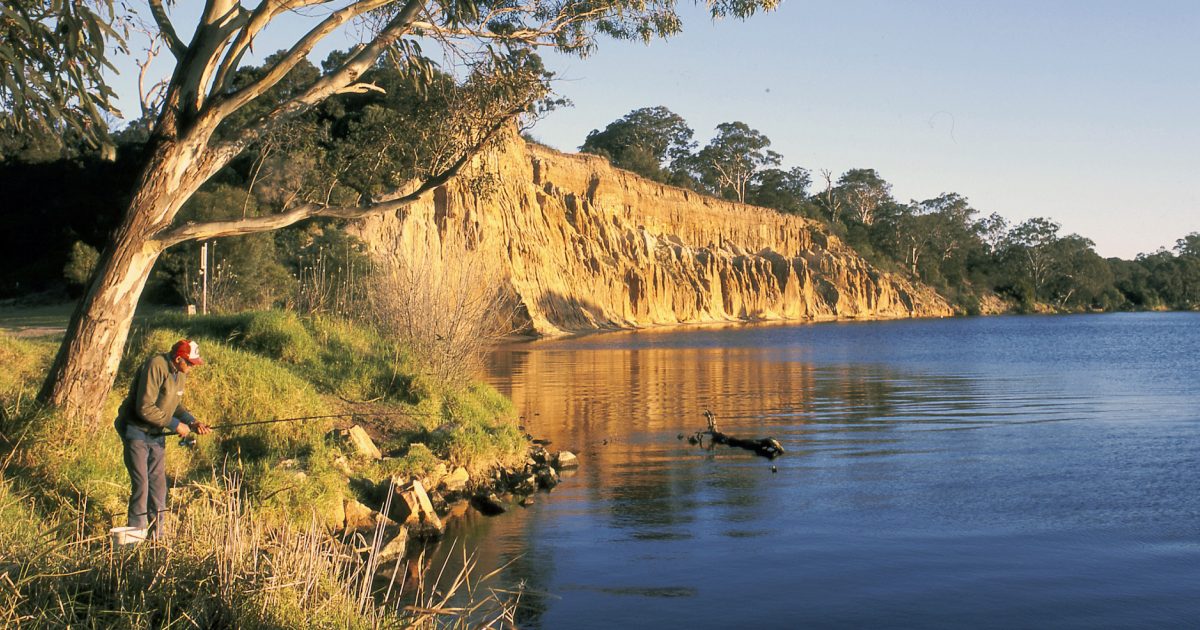
- Hike the walking trails around the lakes. Enjoy the unique wildlife, but don’t disturb their habitats.
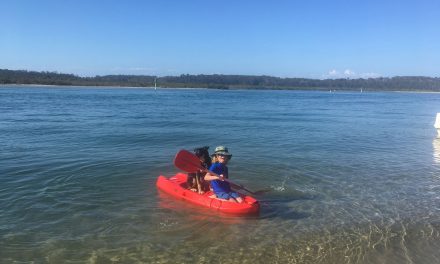
- Practice eco-friendly tourism. Avoid littering and respect the natural environment to help preserve the lakes.
To learn more about the Gippsland Lakes history and its natural beauty, visit Gippsland Lakes Information.
The Gippsland Lakes are a living example of nature’s power to create and change. From its beginnings in a deep sea to the present day, this region tells a story of constant transformation. Whether you’re exploring the landscape or learning about its rich history, the lakes offer a fascinating window into the past.