*photos from Moonlit Sanctuary
The Critically Endangered Orange-bellied Parrot: A Glimpse into a Rare Gem
Did you know that one of the world’s rarest birds, the Orange-bellied Parrot, is teetering on the brink of extinction? With fewer than 50 individuals remaining in the wild, this vibrant parrot is a true symbol of the fragility of our natural world. Here’s what you need to know about this critically endangered species:
What Makes the Orange-bellied Parrot Unique
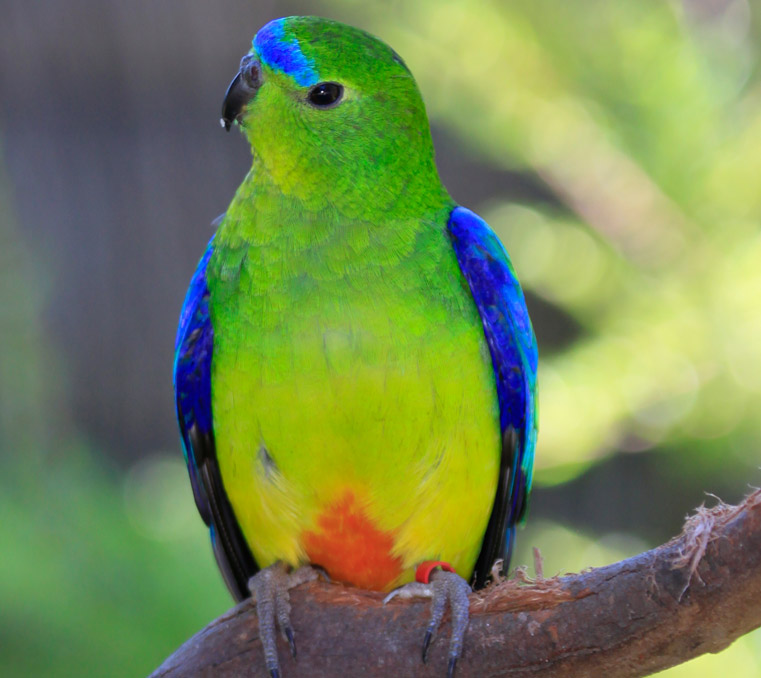
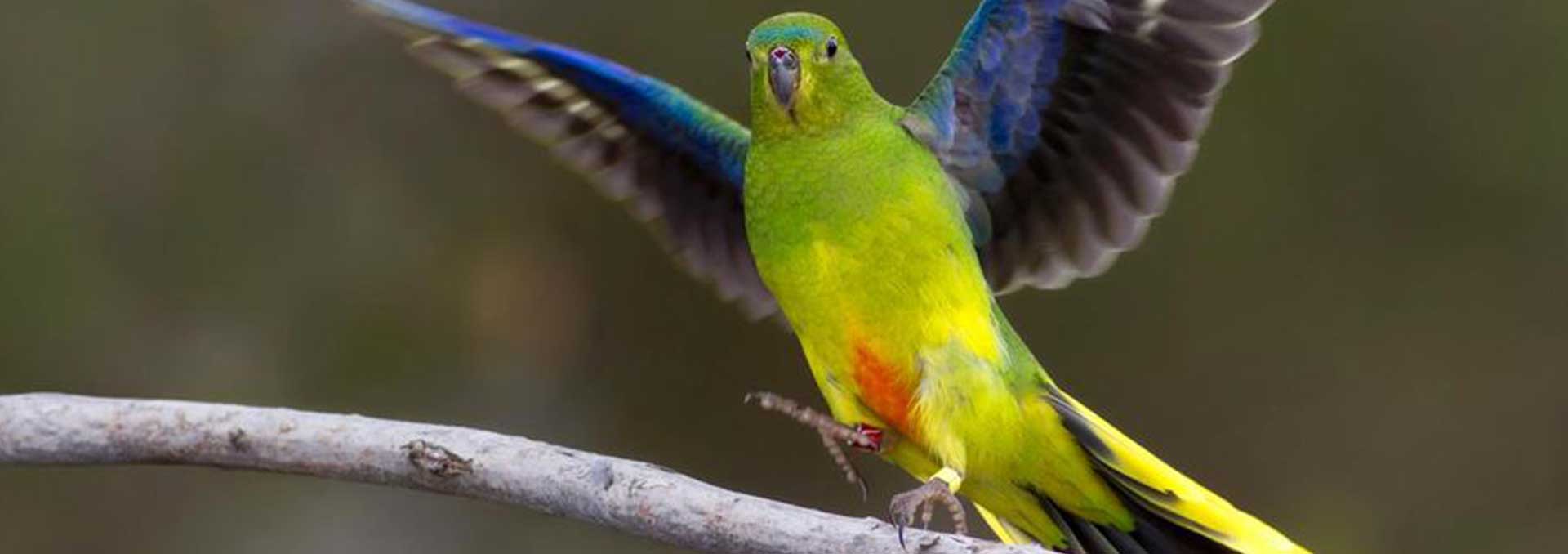
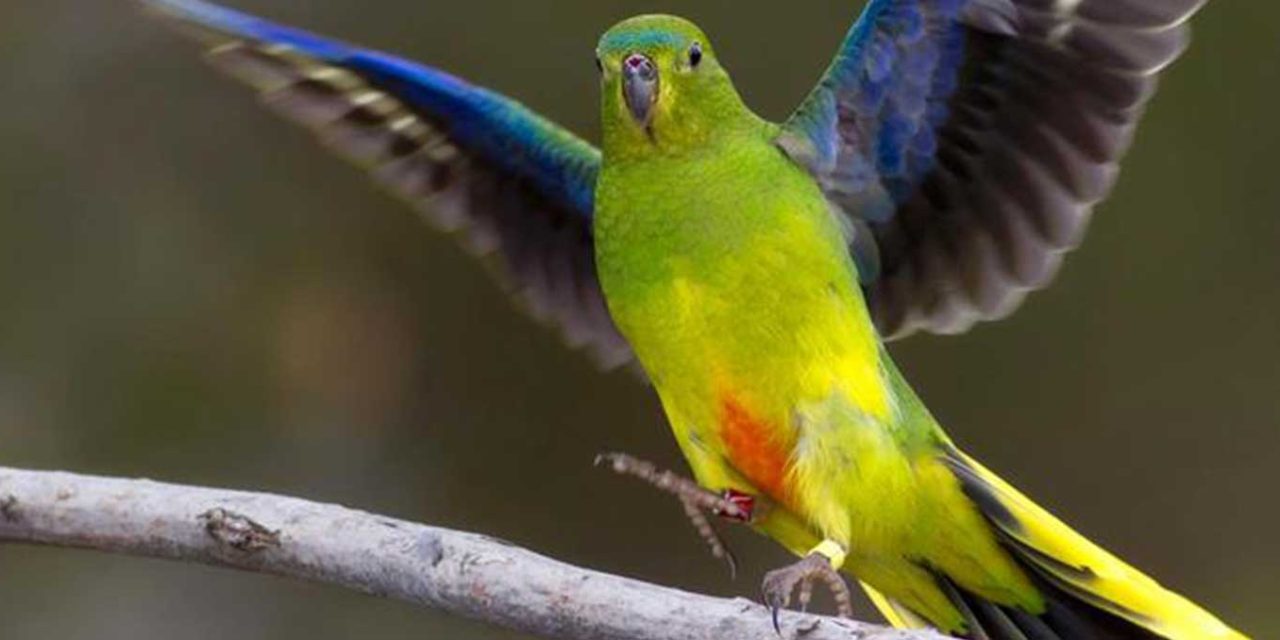
- Vivid Plumage: The Orange-bellied Parrot is easily recognizable by its bright green feathers and the striking orange color on its belly. This eye-catching plumage makes it one of the most visually distinctive parrots in the world.
- Small Population: As of the latest estimates, fewer than 50 Orange-bellied Parrots are known to exist in the wild, making it one of the rarest bird species globally.
Habitat and Survival
- Coastal Saltmarshes: The Orange-bellied Parrot relies heavily on coastal saltmarshes and heathlands for survival. These habitats provide crucial food resources and nesting sites necessary for their breeding and overall well-being.
- Gippsland’s Role: Gippsland’s wetlands, particularly its coastal saltmarshes, are vital to the Orange-bellied Parrot’s survival. Protecting these areas is essential for the parrot’s continued existence.
Where to See the Orange-bellied Parrot
- In the Wild:
- Gippsland: The coastal saltmarshes and heathlands around Gippsland, especially near areas like the Gippsland Lakes and the 90 Mile Beach, are key locations where you might spot the Orange-bellied Parrot. Look for them during their migratory periods, typically from late autumn to early spring.
- Melbourne: Occasionally, these parrots can be spotted in the Melbourne area, particularly around coastal reserves and parks during their migratory season.
- In Captivity:
- Zoos and Wildlife Parks: The Orange-bellied Parrot can be seen in several wildlife parks and zoos across Australia. Key locations include:
- Healesville Sanctuary (Victoria): Known for its conservation efforts and breeding programs for endangered species.
- Taronga Zoo (Sydney): Actively involved in the captive breeding and conservation of the Orange-bellied Parrot.
- Australian National Wildlife Collection (Canberra): Engaged in research and conservation efforts for various endangered species, including the Orange-bellied Parrot.
- Moonlit Sanctuary (Victoria): Located near Melbourne, Moonlit Sanctuary is another key site where you can see the Orange-bellied Parrot. The sanctuary is dedicated to wildlife conservation and education, and it supports breeding programs aimed at increasing the population of this endangered species.
- Zoos and Wildlife Parks: The Orange-bellied Parrot can be seen in several wildlife parks and zoos across Australia. Key locations include:
Threats to Survival
- Habitat Loss: The primary threat to the Orange-bellied Parrot is the loss of its natural habitat due to land development, climate change, and other environmental pressures.
- Climate Change: Rising sea levels and changing weather patterns can further degrade the saltmarshes that the parrots depend on.
Conservation Efforts
- Habitat Restoration: Conservationists are actively working to restore and protect the saltmarshes and heathlands that are crucial for the parrot’s survival.
- Captive Breeding Programs: To help increase the population, captive breeding programs are being implemented, aiming to boost the number of individuals and eventually reintroduce them into the wild.
- Community Engagement: Efforts include educating the public about the importance of the Orange-bellied Parrot and how they can help support conservation initiatives.
How You Can Help
- Support Conservation Efforts: Contributing to or volunteering with organizations dedicated to the Orange-bellied Parrot’s conservation can make a significant impact.
- Respect Natural Habitats: When exploring Gippsland or any other natural area, be mindful of your impact on the environment. Follow local guidelines and respect wildlife habitats.
- Spread Awareness: Sharing information about the Orange-bellied Parrot and its conservation status can help raise awareness and support for this critical cause.
Spotting the Orange-bellied Parrot
- Explore Gippsland: If you’re exploring the beautiful landscapes of Gippsland, keep an eye out for these elusive parrots. Spotting one in the wild is a rare and rewarding experience.
- Look for Key Features: The parrot’s bright green feathers and distinctive orange belly are key features to watch for in their natural habitat.
By supporting conservation efforts and respecting natural habitats, you can contribute to the survival of the Orange-bellied Parrot. Each sighting and each conservation step brings us closer to ensuring that this beautiful parrot does not fade into history. So, next time you’re wandering through Gippsland’s stunning landscapes, take a moment to appreciate the incredible wildlife around you and consider how you can make a difference in preserving it for future generations.