Gippsland Lakes Biodiversity: A Natural Haven for Rare Species
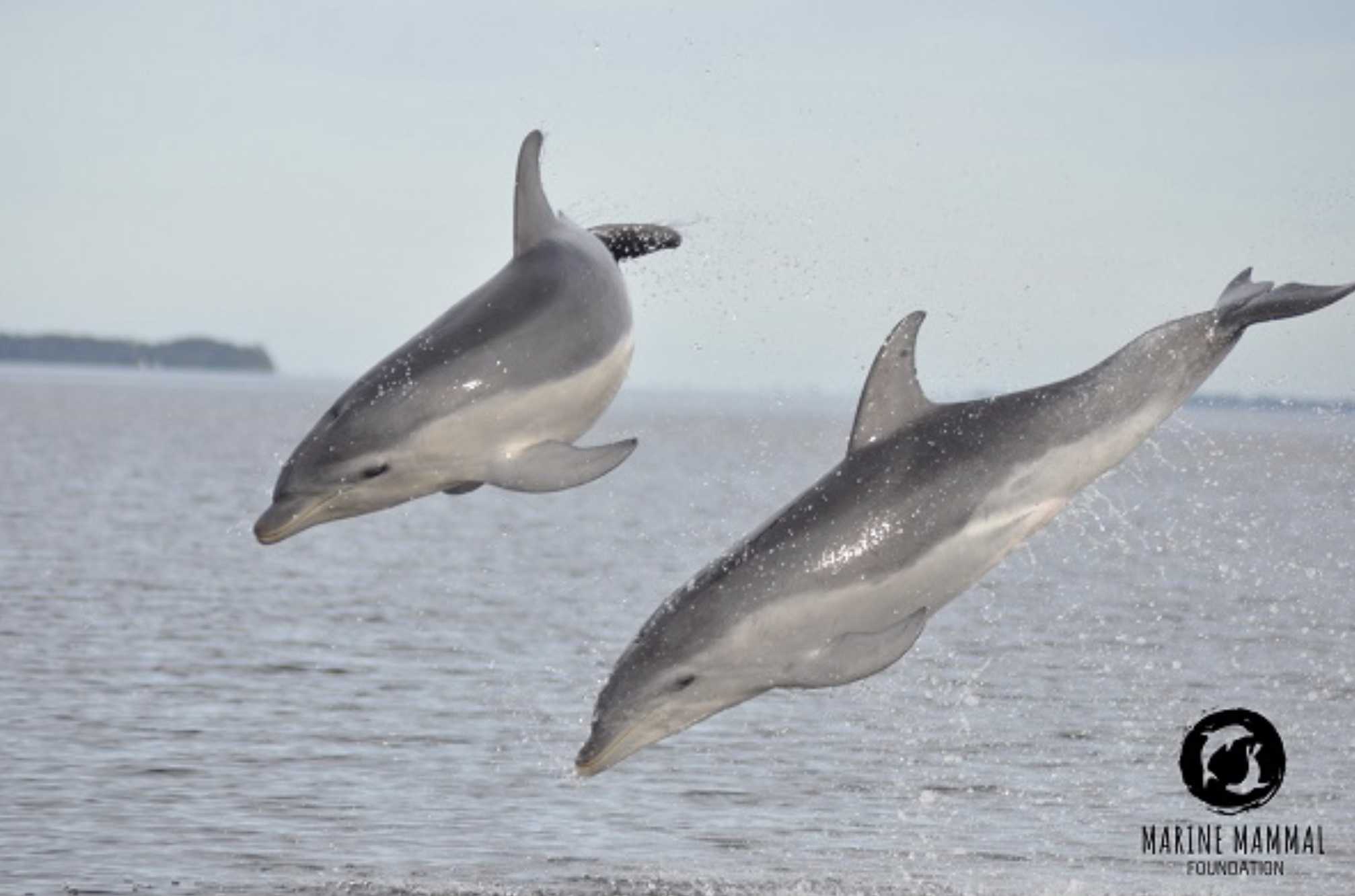
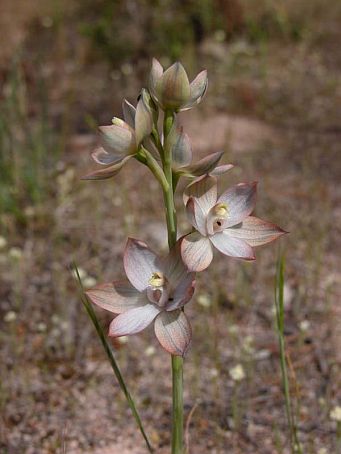
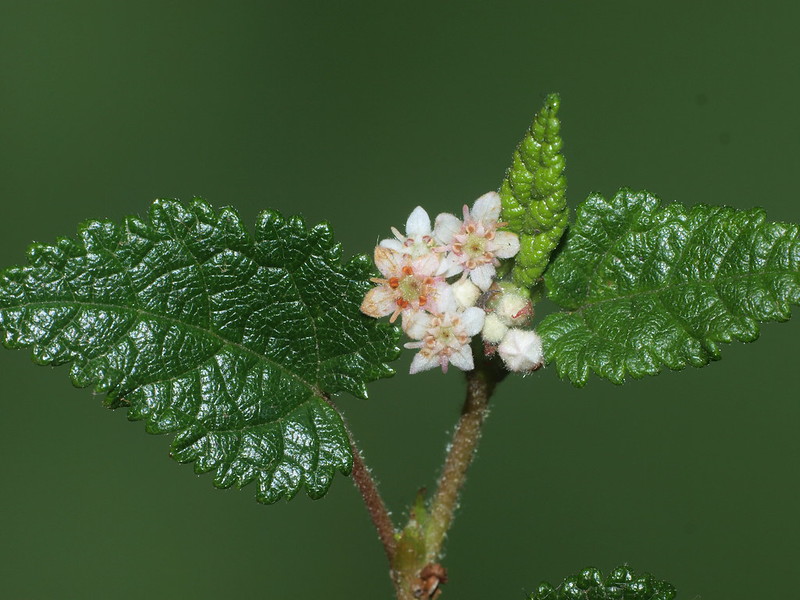
Did you know that the Gippsland Lakes not only house the rare Burrunan dolphins but are also a biodiversity hotspot? With over 400 indigenous plant species and 300 native wildlife species, this region is a paradise for nature lovers and conservationists alike. Some of the plant species you’ll find here, like the dwarf kerrawang, metallic sun orchid, and swamp everlasting, are incredibly rare and listed as threatened. These delicate ecosystems are crucial for preserving native flora, providing essential habitats for wildlife.
Key Highlights of Gippsland Lakes Biodiversity
- Rare Plant Species: The lakes support rare flora such as the dwarf kerrawang, metallic sun orchid, and swamp everlasting. These plants thrive in the region’s wetlands, providing vital habitats for native wildlife.
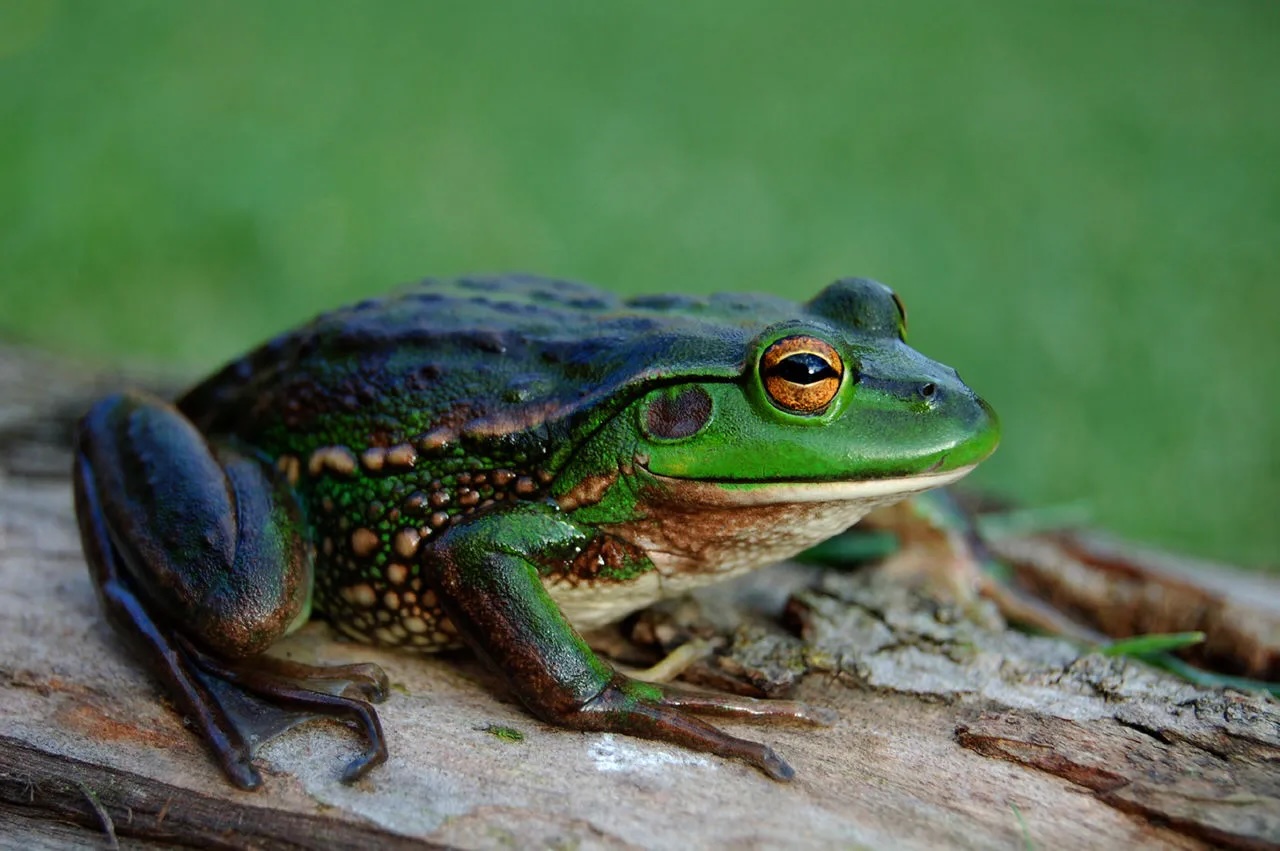
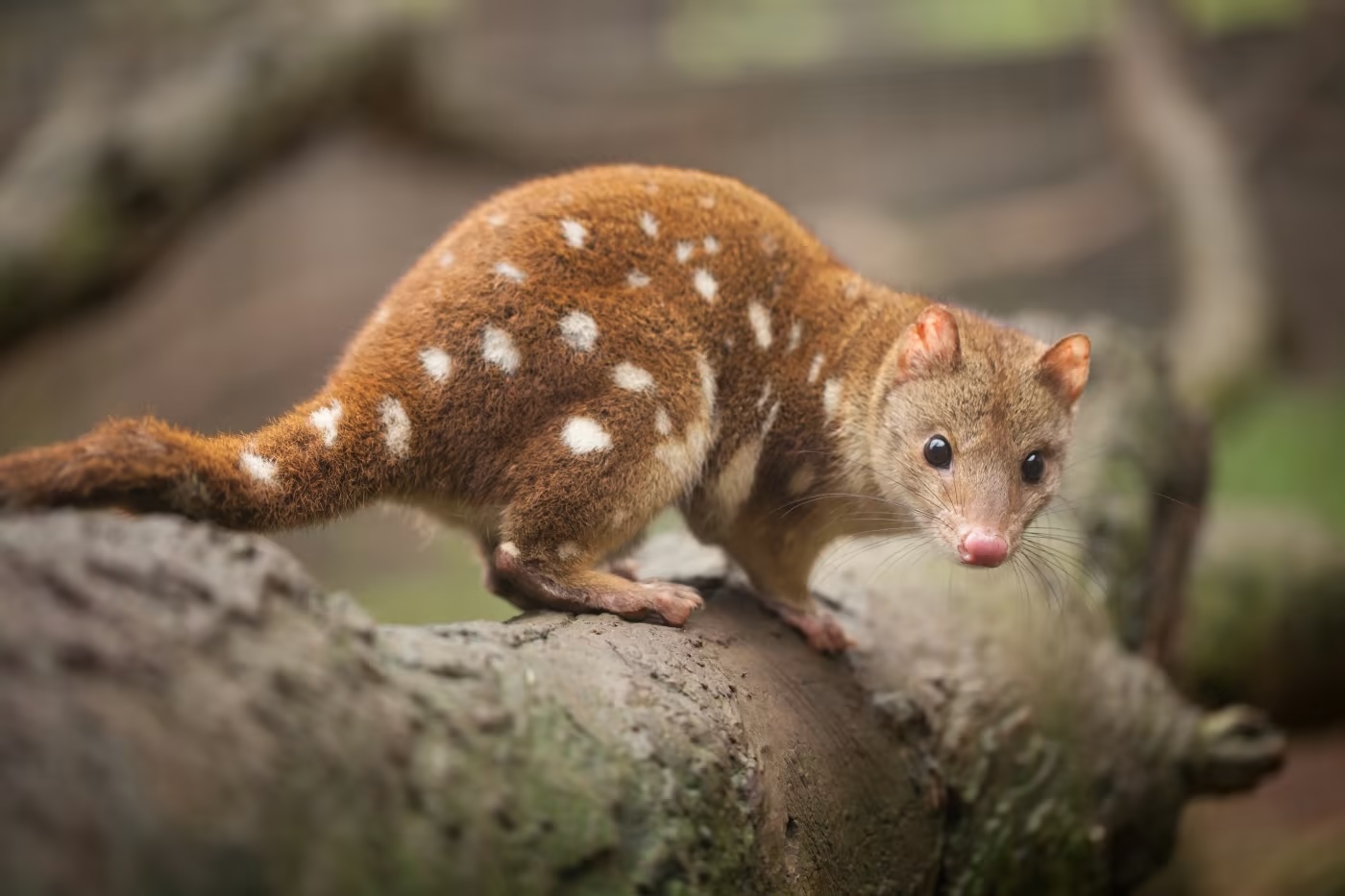
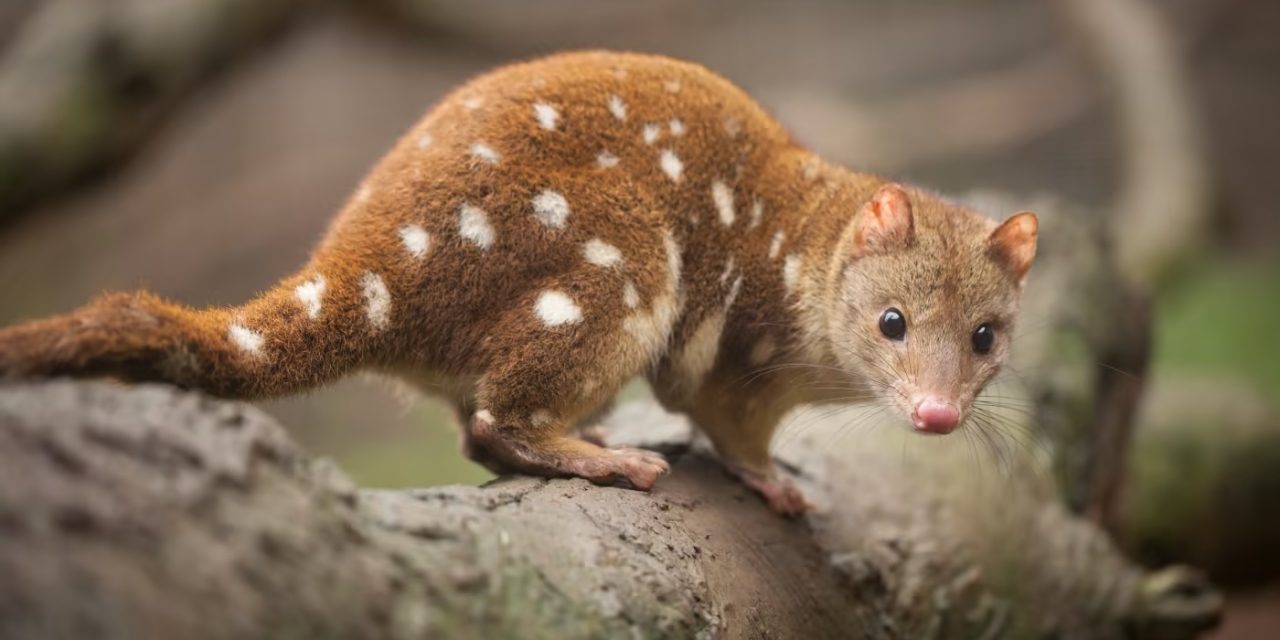
- Endangered Wildlife: The growling grass frog, spotted-tailed quoll, and even the majestic wandering albatross are just a few of the threatened species that call the Gippsland Lakes home. Conservationists are working tirelessly to protect these species from extinction.
- Internationally Recognized Ramsar Site: The Ramsar listing underscores the lakes’ global importance as a wetland that supports a wide range of species, making it a top destination for eco-tourists and nature lovers.
The Threats to Gippsland Lakes
Despite its rich biodiversity, the Gippsland Lakes face growing threats from urban development, pollution, and climate change. These pressures degrade water quality and disrupt the fragile habitats that endangered species rely on. Conservation efforts are ongoing to protect these environments and ensure the future of the lakes’ flora and fauna.
How You Can Explore Responsibly
Visitors to the Gippsland Lakes have the unique opportunity to witness this biodiversity in person. From guided eco-tours to wildlife spotting and nature trails, there are countless ways to engage with the environment while minimizing your impact. Always follow local guidelines, avoid disturbing wildlife, and support conservation-friendly activities to help preserve this stunning ecosystem.
The Gippsland Lakes’ biodiversity is a treasure trove of unique plants and animals, highlighting the importance of protecting such rare ecosystems. By visiting and exploring responsibly, you can contribute to the ongoing conservation of these precious natural habitats.