Whale Watching in Gippsland: Your Guide to the Migration Season
The Gippsland coast in Victoria is a prime location for whale watching, particularly during the annual migration season. As these magnificent creatures journey along Australia’s southern coast, Gippsland offers some of the best vantage points to witness this natural spectacle. Here’s everything you need to know about whale watching in Gippsland, from the best locations to safety tips and how to report sightings.
When to Go Whale Watching in Gippsland
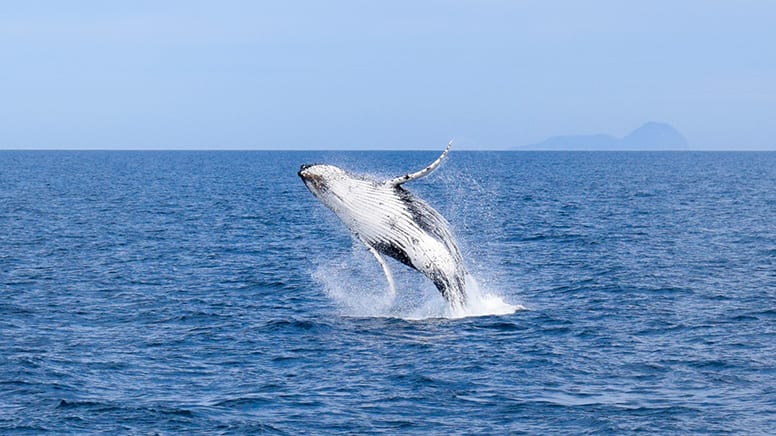
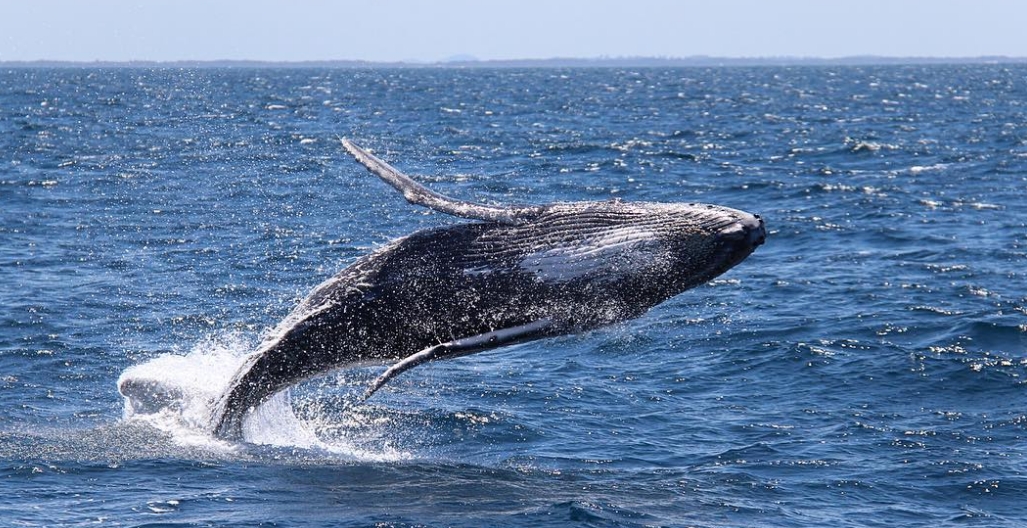
Whale migration season in Gippsland typically runs from May to November. During this time, you can spot various species, including humpback whales, southern right whales, and occasionally orcas, as they make their way from Antarctic feeding grounds to warmer waters to breed and give birth.
Best Locations for Whale Watching in Gippsland
- Wilson’s Promontory National Park: Known for its stunning coastal scenery, Wilson’s Promontory is a top spot for whale watching. Head to the lookouts at Norman Beach or the Big Drift for breathtaking views of the migrating whales.
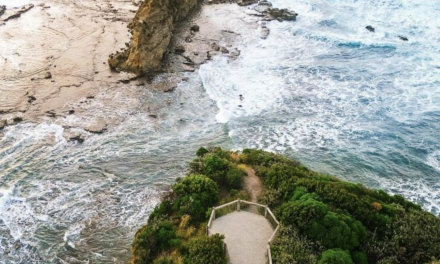
- Cape Liptrap Coastal Park: The cliffs at Cape Liptrap offer excellent vantage points for spotting whales. The rugged coastline provides a dramatic backdrop for your whale-watching experience.
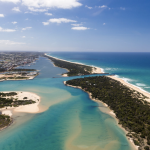
- Lakes Entrance: Another popular location, Lakes Entrance provides a variety of spots along the shoreline where you can catch sight of whales. The calm waters and abundant marine life make it an ideal habitat for these giants of the sea.
- Marriners Lookout, Apollo Bay: Though slightly outside Gippsland, this location is worth a visit for its panoramic views. On clear days, you can see whales frolicking in the waters below.
- Cape Conran Coastal Park: This lesser-known spot offers a quieter, more secluded whale-watching experience. The park’s diverse marine life adds to the appeal, making it a must-visit during migration season.
Safety Tips for Whale Watching
Whale watching is an awe-inspiring experience, but it’s essential to prioritize safety for both yourself and the whales:
- Keep a Safe Distance: If you’re on a boat, maintain a minimum distance of 100 meters from the whales. This reduces stress on the animals and ensures their safety.
- Stay on Marked Trails: When watching from shore, stick to designated paths and lookouts to avoid disturbing the whales and other wildlife.
- Respect Marine Life: Avoid making loud noises or sudden movements that could startle the whales. Remember, this is their habitat, and we are just visitors.
- Wear Appropriate Gear: Weather conditions can change rapidly along the coast, so dress warmly and wear sturdy footwear. If you’re on a boat, ensure that you have life jackets and follow all safety instructions provided by your guide.
How to Report Whale Sightings
Reporting whale sightings is crucial for marine conservation efforts. If you spot a whale during your visit to Gippsland, you can report it to local authorities or conservation groups:
- ORRCA (Organisation for the Rescue and Research of Cetaceans in Australia): ORRCA operates a 24/7 hotline for reporting whale and dolphin sightings. Call 02 9415 3333 to report your sighting.
- Wildlife Victoria: For any concerns about the health or safety of a whale, contact Wildlife Victoria at 03 8400 7300.
- Department of Environment, Land, Water and Planning (DELWP): You can also report sightings via the DELWP Whale Sightings app, which helps track whale movements along the coast.
Final Thoughts
Whale watching in Gippsland is a magical experience that connects you with the wonders of nature. With careful planning, respect for wildlife, and an eye for the best spots, you can enjoy a memorable encounter with these majestic creatures. So pack your binoculars, stay safe, and get ready to witness one of nature’s most incredible journeys on the Gippsland coast.